If you can’t find items stored in your garage or even find space to park your car, it may be time for a garage organization. While it can initially feel overwhelming, it can be much more manageable to break down the process into smaller, actionable steps.
First, evaluate your storage goals. Then, declutter your space by donating, throwing away or selling any items you no longer use or need. After, plan out functional zones and find storage that may work for each zone. Keep reading for more tips on how to organize a garage.

STEP 1: EVALUATE YOUR GARAGE AND SET YOUR GOALS
Start by measuring your space so you can have a clear idea of how much space you have. Once you have your garage’s dimensions, you can begin thinking of your primary storage goals. Will you use this space to park your car, as a workspace or as extra storage?
After determining the main function of your garage, start thinking about the timeline and whether it is something you can accomplish over a weekend or if it will take a few weeks to get done. Finally, think about your budget and how much you are willing to spend. You may want to spread out tasks over a longer period of time so you are not spending a lot of money at once. Of course, it all depends on your needs and budget, so choose whatever may work best for you.

STEP 2: DECLUTTER EVERYTHING
After evaluating your garage goals, begin taking stock of what you have and create piles to keep, throw away and donate. A good rule of thumb is to get rid of duplicate items or items you haven’t used in a year or more. Hold off on buying any storage or organization at this point. It's important to declutter your space before adding any new items into the mix.
TRASH
Any expired items, such as paint, should be thrown away. Expired latex paint can be taken to a recycling center or disposed of on your own. Mix an equal amount of cat litter into the can and wait for the paint to thicken and set before throwing it away. Oil-based paint must be taken to an appropriate disposal or drop-off center, as it is considered hazardous waste.
DONATE
If you have unexpired paint, tools or equipment that you no longer plan on using, consider donating to a community center or any other groups that may be willing to take donations. This can help keep waste to a minimum.

STEP 3: CLEAN BEFORE ORGANIZING
Once you’ve decluttered your garage, clean off any existing storage cabinets, racks or any other items that will be staying. Start by dusting these items, then wipe down the surfaces with a damp cloth and appropriate cleaning solution. Check your product’s use and care guide to ensure that certain cleaning products are suitable to use.
Then, sweep up and mop your garage floors. You may even want to take the time to reseal your garage floor, if needed.

STEP 4: CREATE FUNCTIONAL ZONES
After your garage is cleaned out, make a plan of how you want to organize. Break your garage into sections and map out what you plan on storing in each spot. This can help simplify your organization into manageable chunks so you can tackle it over time or all at once.
KIDS ITEMS
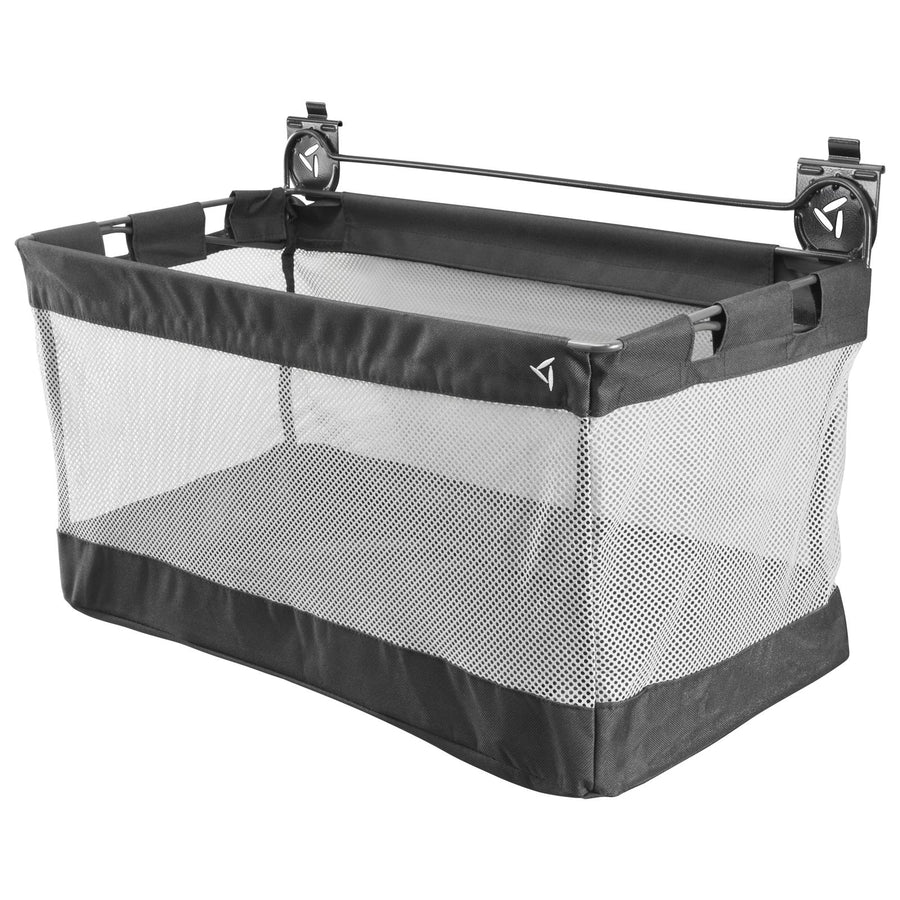
If you have or care for kids, you may want to establish a zone that has room to grow as they get older. Try to focus on keeping the storage low and accessible for kids to reach, especially when they are younger. Bikes can be hung on bike racks, while toys can be stored on shelves. Loose items, like balls, can be stored in baskets like this 24″ Wide Mesh Basket that can be easily hung on Gladiator® Wall Systems.

LAWN AND GARDEN
You can hang rakes, shovels and leaf blowers on the wall to save on floor space. Wall hooks and pegboards can be extremely valuable storage items to help maximize wall space. Make sure to keep any chemicals on high shelves, making them inaccessible to children.
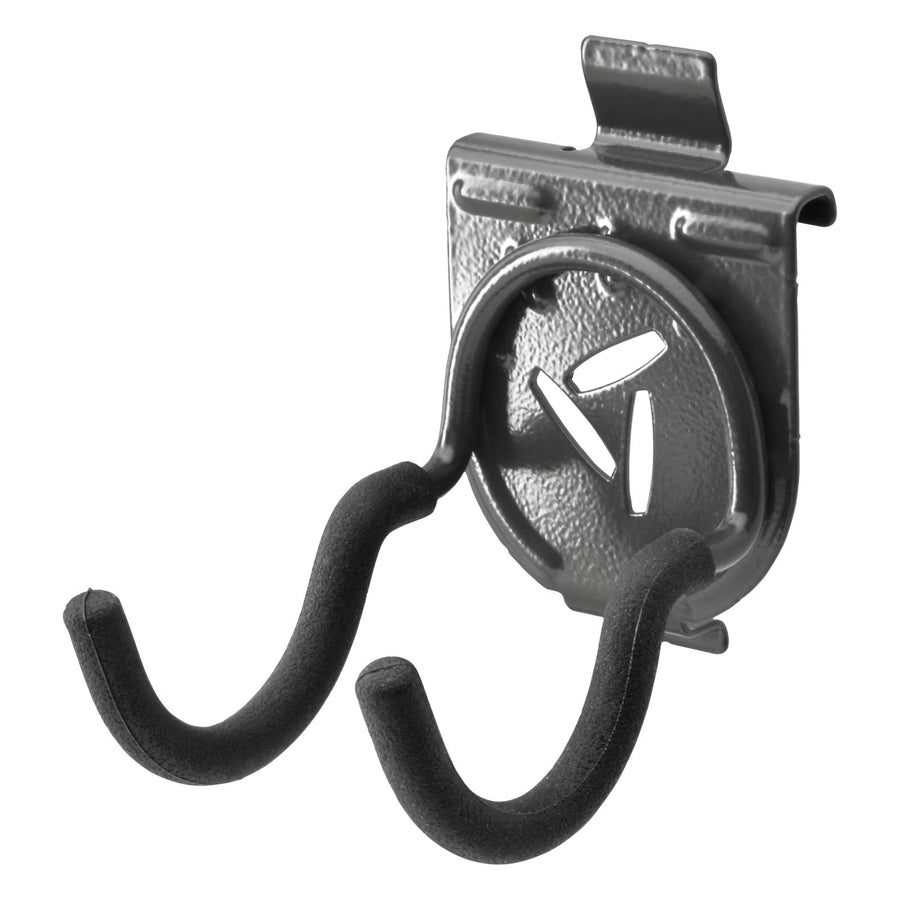
This Lawn Care GearTrack® Pack from Gladiator brand has four heavy duty hooks to help organize your tall yard tools. You could also use a Gardening GearTrack® Pack from Gladiator brand to store smaller gardening tools, such as aprons, gloves or smaller, handheld tools.
Try to keep in-season items easier to grab, while moving out-of-season tools further back. This can help keep the items you need accessible so you can spend less time searching and more time on your project.
WORKSPACE
Power tools and other equipment can be placed in tool storage to keep these items securely in one place. You can also purchase a workbench to create a hub for your projects.
This 15-drawer Mobile Tool Chest Combo from Gladiator brand can easily move throughout your space to help keep tools close by no matter where you are in the garage. Or, explore adjustable height, modular and mobile workbenches from Gladiator brand to help you plan for any project.
AUTOMOTIVE
If you park your car in the garage, try storing your car care products near your car. These items can be stored on shelves or in locked cabinets. Cleaning products should be stored away so children cannot easily access these items. Use a locking cabinet or cabinet that can be mounted high off the ground, like this 30″ Wall GearBox from Gladiator brand.
RARELY USED ITEMS AND MORE
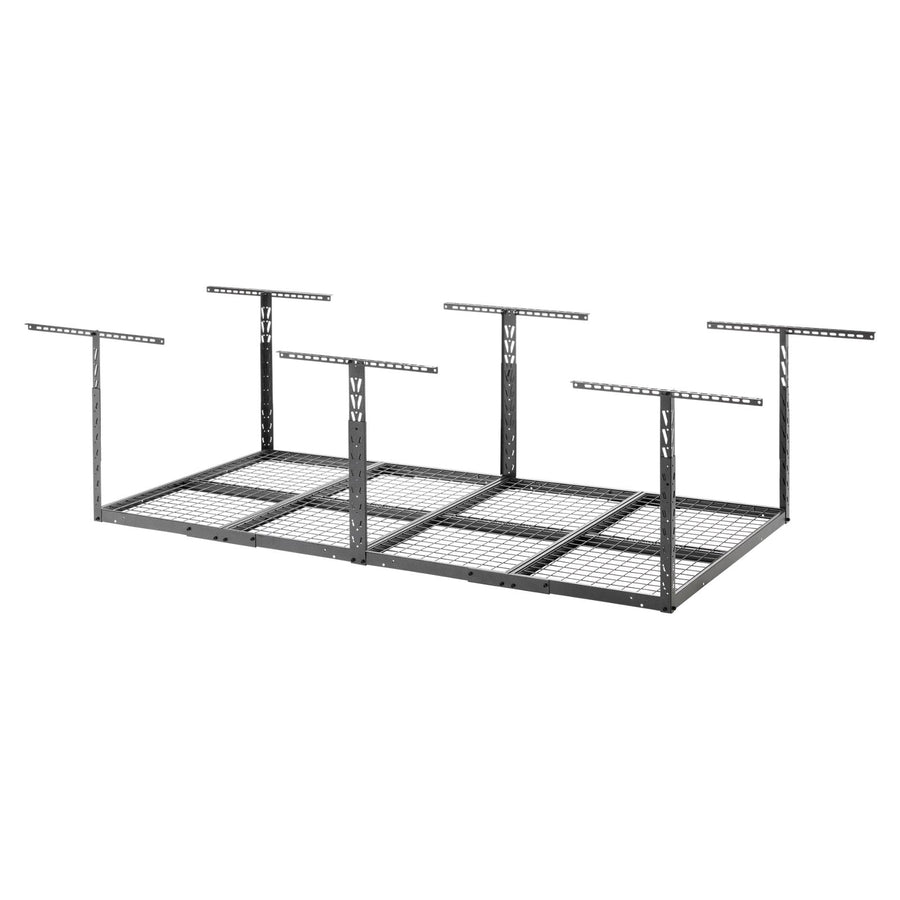
Seasonal items, such as decorations and camping or snow gear, can be stored in overhead storage. This can also help get bulky, oversized items out of the way. When storing these items, try using a labeling system that can help you quickly see what is in each box or bin. Explore overhead storage from Gladiator brand to help store your seasonal items.
If you have loose items with no clear grouping, try using shelves or cabinets to give these items a home. Gladiator brand offers a range of garage cabinets to fit your various storage needs, from full-sized to wall and even mobile storage cabinets.

STEP 5: CHOOSE STORAGE THAT FITS YOUR NEEDS
Once you’ve gotten your garage zones figured out, think about the best type of storage for these areas. Take a look at the list of storage solutions and what they’re ideal for below for inspiration, or visit the Gladiator® Garage Builder for even more garage storage ideas.
-
Garage Cabinets: An array of everyday items that need to be easily accessed
-
Shelving: Large and bulky items that may not fit in cabinets
-
Wall Systems: Hanging tools, sports equipment and other frequently reached for items
-
Overhead Storage: Seasonal items and infrequently-used full-sized bins and totes
-
Tool Storage: Tools and other project materials
-
All-in-One Wall Kits: Specialty storage for lawn care, sports equipment, gardening tools and more

STEP 6: KEEPING YOUR GARAGE ORGANIZED LONG-TERM
Invest in habits and items that will help keep your garage clean. Ensure that liquids such as paint, engine oil and gasoline are stored securely to avoid spilling and, if spills do occur, clean them up quickly to avoid stains. Be sure to have cleaning supplies on hand before messes occur. An all-purpose cleaner, cleaning rags, a broom and a mop can be a good starting point, and you can add more items to your supply as you need them.
Once you have your garage organization system all set, be sure to set a recurring cleaning and organizing schedule. This can be done annually or more often, as needed. You can plan to go through your items so that you’re regularly donating and decluttering items you’re no longer using.
Organizing a garage can help clear your space for different storage or activities. Looking for a complete garage makeover? Check out this article on garage setup ideas.
FREQUENTLY ASKED QUESTIONS
Q: What is the fastest way to organize a garage?
A. The four-box method can be a quick and easy way to start organizing your garage. Take four boxes and label them accordingly: keep, donate, throw out or relocate. Keep items that are frequently used or hold sentimental value; throw out items that are broken, expired or no longer useful or functional; donate items that may not be useful or valuable to yourself but may be for someone else; and relocate items that are still needed but may be currently stored in the wrong spot.
Q: How do I maximize storage in a small garage?
A. Maximize storage by utilizing the space that you already have. Items like overhead and wall storage can help maximize wall and ceiling space, plus get items off the ground to free up floor space.
Q: What should not be stored in a garage?
A. Temperature-sensitive items, such as food, paint or electronics, should be stored in a climate-controlled environment. Similarly, important documents and photos should also be stored in a climate-controlled environment, as they can often become a fire hazard, nest materials for certain pests or breeding grounds for mold.
Q: How often should i reorganize my garage?
A. It is always good to have an annual deep clean to make sure your items are in good shape, your storage is functional and to ensure you are not holding on to any unnecessary items. Beyond that, do what works best for you. You may find it easier to have daily habits, such as a daily cleaning schedule or quarterly storage audits, that help you stay on top of organizing your garage.
Q: What is the best garage organization system?
A. The best garage organization system is highly dependent on your storage needs. In general, choose items that can offer the most flexibility, as they can adapt to your needs over time. Wall systems can be extremely helpful for flexibility, as you can store items on the wall and easily move hooks, baskets, bins and even cabinets around to fit your needs.
Q: How do I organize garage tools?
A. Organize your garage tools in a way that works best for you, filtering items by type of tool or by type of project. Tool chests can help keep your items grouped together in one area, while wall organization can help keep tools visually top of mind and easily accessible.
Q: Where should I start when organizing a garage?
A. Start with decluttering and cleanup. That way, you can rid your garage of unwanted items and start your organization on a clean slate. Then, you can start moving into more specific zones.
Q: How can I organize my garage on a budget?
A. The best way to organize on a budget is to prioritize decluttering. Having too many items in a space can easily overwhelm an area and make it look messier than it actually is. Once you’ve decluttered, you can try repurposing storage items in a way that works for you and searching for DIY solutions for your storage needs.