If you’re often finding yourself with muddy shoes, scattered backpacks, various sports equipment and other items blocking your car or entryway, it may be time to create a garage mudroom. This can serve as a transition area between the outdoors and your home and offer a designated drop zone for items, helping protect your indoor flooring and create an organizational hub for your family.
Keep reading for more tips on how to design your garage mudroom, discover storage solutions and get answers to frequently asked questions.

DESIGNING YOUR GARAGE MUDROOM
Before designing your garage mudroom, you’ll want to assess your available space and the flow of traffic from your garage door to your home entry. Then, think about your family’s storage needs, planning for growth as kids get older or seasons change. Winter equipment may require more storage due to bulky clothes and boots, while spring, summer and fall may need room for outdoor sporting equipment. Assess your specific needs and determine what may work best.
Finally, think about the lighting. Will your garage lighting suffice, or will you require additional lighting in this area? Once you’ve considered these aspects of your garage mudroom design, it's time to start thinking about storage.

ESSENTIAL STORAGE SOLUTIONS FOR FAMILY GEAR
Storage is an important part of designing your garage mudroom and integral to keeping your space organized. Try giving each family member an individual locker or cubby to place all of their stuff in, which can give them an easy, quick place to drop items as they come in.
For shoe storage, use lower cabinets or drawers, like this storage shoe bench from Gladiator brand. Adding a garage mudroom bench or a place to sit while putting on shoes is another great way to enhance your space.
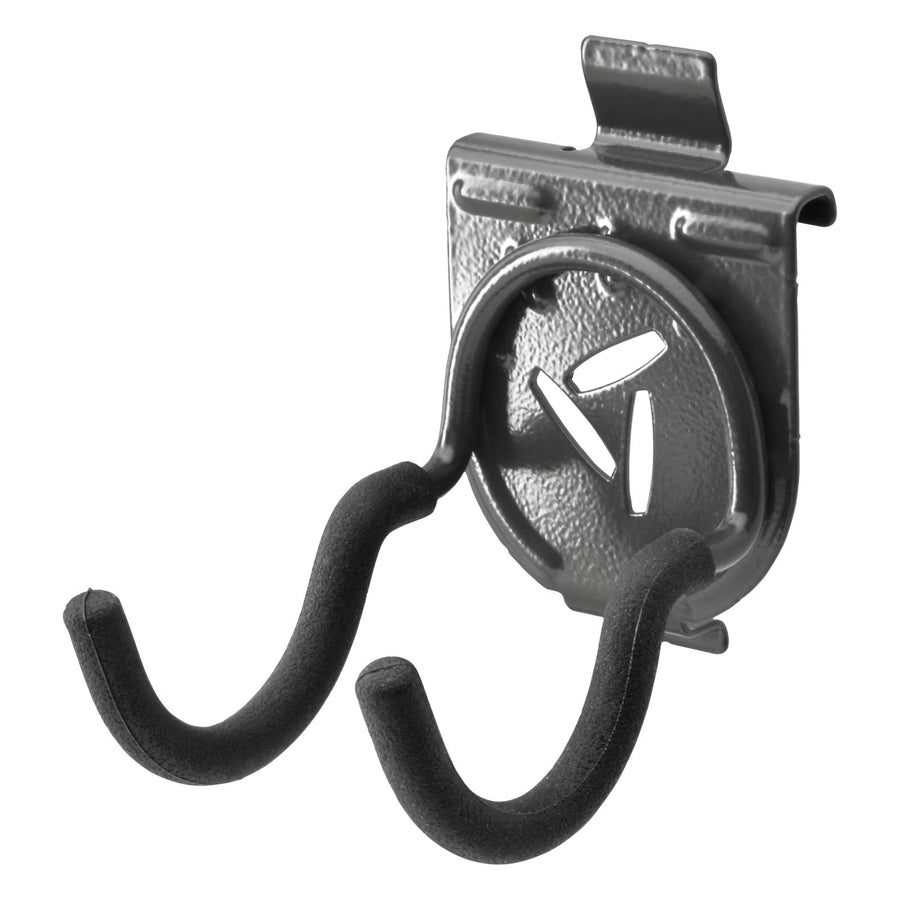
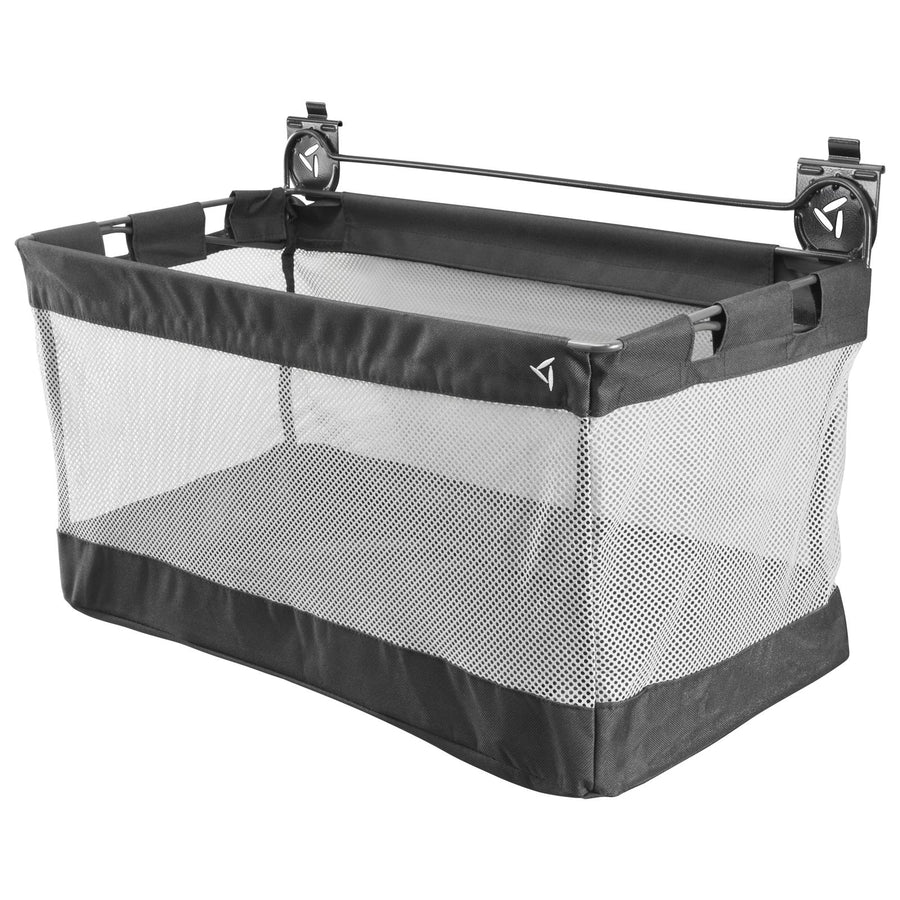
You’ll also want to think about jackets and other outerwear storage. Hooks can be a convenient solution for a number of items. If you have kids, you can use these hooks to hang their backpacks or sports bags. A garage mudroom cabinet with a hanging rod, like this cabinet from Gladiator brand, can be helpful for storing jackets and other outerwear. As for smaller accessories, like gloves and hats in the winter, add a basket for a quick grab and go.
SEASONAL STORAGE SOLUTIONS
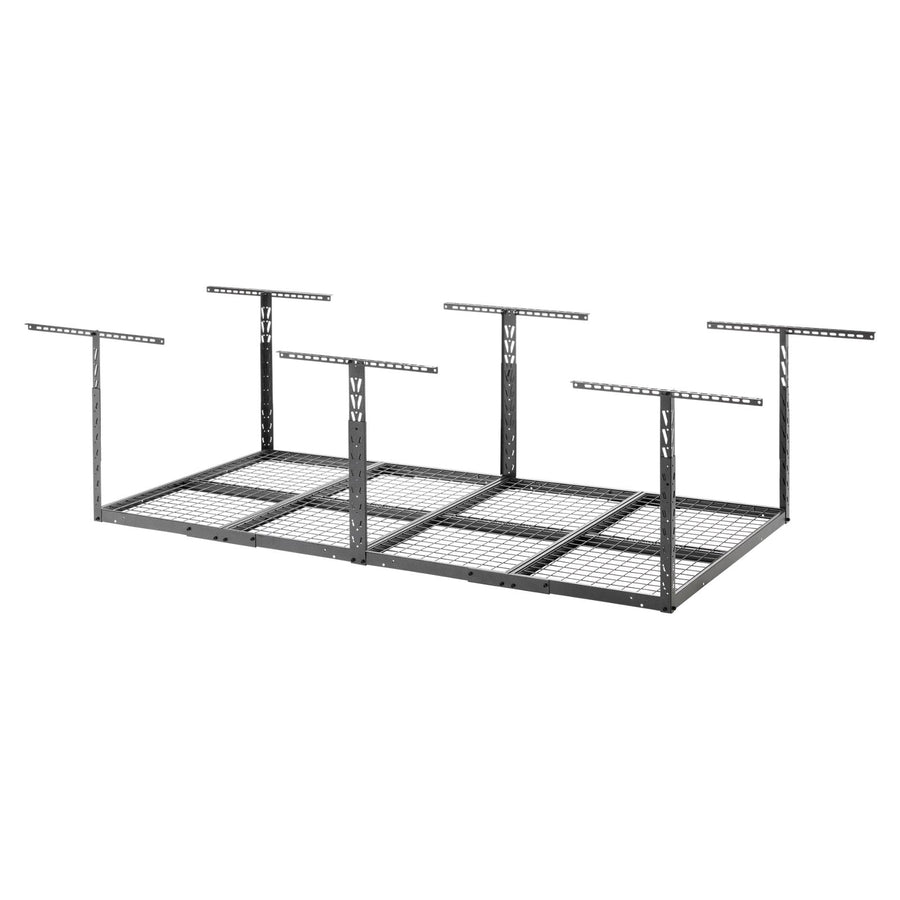
Your garage mudroom can be helpful storage for items of all seasons. Add higher cabinets, or even overhead storage, for the out-of-season items you may not need every day. This can help clear space for what’s currently needed and help keep all of your shoes, jackets and other accessories all in one spot.

INTEGRATION WITH EXISTING GARAGE SETUP
You may already have existing storage in your garage, which you can try to coordinate to match your garage mudroom. Gladiator brand, for example, makes it easy to add storage items over time to give your garage a cohesive look. Wall cabinets and other wall hangings such as hooks, baskets or bins can be easily added to any existing storage.
Be sure to consider existing outlets when creating your garage mudroom. Try not to block any outlets you may need now or in the future, and think about how existing outlets can better serve your mudroom.
If you store your car in the garage, be considerate of how much space you will need for your mudroom and vehicle clearance. Additionally, think about any flooring you may put down for the mudroom and if it is suitable for cars and other garage items. Keep reading for tips on weather-resistant materials to help make your mudroom last.

PICKING WEATHER-RESISTANT MATERIALS
When designing your garage mudroom, it's important to pick weather-resistant materials. These materials can stand up to the mud, water, snow and other substances that you may bring in from outside. Many garage mudroom cabinets may already be moisture-resistant, crafted with metal for long-lasting durability. Gladiator® cabinets, for example, are built with heavy gauge steel to stand up to the fluctuating temperatures of a garage.
For flooring, there are a few different options that work well. If you want a quick, inexpensive solution, try using a floor mat. This can also serve as a landing spot and a clear distinction between the mudroom and the rest of the garage. Or, try nonporous flooring like stone, tile, sealed wood or concrete. These materials are easy to clean, which is essential in a high-traffic area like a mudroom in a garage.
For smaller storage solutions, like hooks and hardware, try finding materials that resist rust. Stainless steel, aluminum metal, copper, bronze, brass and galvanized steel are all corrosion-resistant metal options you can try. If you add bins or baskets, try finding products that are washable. Mesh baskets may be washed in a washing machine, while plastic bins, like this one from Gladiator brand, can be wiped down with a wet cloth.

FINISHING YOUR BUILD
Once you’ve gotten your garage mudroom all planned out, try to follow this order of installation: cabinets first, then shelving, hooks and other accessories at the end. That way, you can start with the biggest items first and fill in the gaps where needed.
Once all of your storage is installed, try adding some personal touches. You can add labels to individual cubbies or lockers to easily identify each person’s space. Or, add a family name sign to tie the space together.
Looking for other enhancement options? Add a mirror for last-minute outfit checks, or create a charging station setup for your various devices. Of course, these are just some of the examples of improvements you can make to the space. Think more about the purpose of your garage mudroom and your own storage needs to determine what other enhancements may be helpful.
Once you’ve gotten your garage mudroom all set up, try to create a maintenance schedule. This could be a quick weekly clean or a quarterly cleanout of the space and items you may no longer need. Find what works best for your schedule and try to stick with it.
FAQs
Q: How much does it cost to add a mudroom to a garage?
A: Cost is highly dependent on your individual needs and goals. Higher-end materials may cost more, or you may be able to use what you already have. Adding new flooring or walls may also drive up the cost, so it's important to check your budget before you begin.
Q: Do I need permits to build a garage mudroom?
A: If you are doing work on the garage interior without changing the overall structure and exterior of the garage, you may not need one. However, you should always check with your city or town’s laws before beginning your work.
Q: What's the ideal depth for garage mudroom cabinets?
A: It depends on your storage needs, but a typical depth for garage mudroom cabinets is usually at least 12 to 18 inches deep.
Q: How do I prevent mold in a garage mudroom?
A: There are a number of ways to help prevent mold in a garage mudroom. Start by using mold-resistant building materials, like metal studs, mold-resistant paint and mold-resistant floor coating. You can also use a dehumidifier to manage your garage’s humidity levels, and stay on top of any spills or leaks as they occur.
Getting sufficient ventilation and natural light can also help prevent mold. Of course, reducing any excess junk or clutter can help keep your garage organized and eliminate any hidden spaces for mold to grow on.
Q: Can I DIY a garage mudroom, or should I hire a professional?
A: You can easily DIY a garage mudroom. This guide can be an excellent starting point for your build, or you can use it to gauge your skills before beginning. You can also hire a professional for anything you don’t feel comfortable doing yourself.
Q: What's the difference between a mudroom and an entryway?
A: These terms are often used interchangeably. A mudroom is an area near the entrance or exit of a home where you can take off your shoes and outerwear. This helps keep mud and dirt out of your home and offers organized storage for all of your outerwear needs. An entryway can often include a mudroom; however, an entryway specifically refers to the entrance of a space.
Q: How do I organize a mudroom for multiple kids?
A: Individual cubbies or lockers can be great organizational solutions for multiple kids or family members. That way, each person has their own place to store their stuff, making it a quick reference point when dropping off items or looking for a particular shoe or jacket.